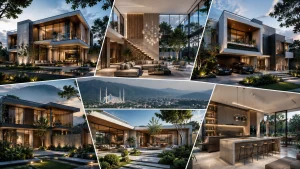
Top Interior Design in Pakistan: Design Standards, Trends, and Expertise
Pakistan is witnessing a renaissance in interior design. From traditional craft to modern minimalism, homes and offices alike are becoming canvases where culture, comfort, and clever engineering meet. This article dives into the core of what makes Pakistani interiors stand out today: the interior design standards in Pakistan, the latest interior design trends in Pakistan, and the expertise that drives luxury interior design Pakistan into a class of its own.
 1) Why design standards matter in Pakistan
Every successful space begins with a clear set of standards. In Pakistan, design standards are increasingly about balance: aesthetics that honor heritage while embracing functionality, sustainability, and safety. Here are the pillars that define contemporary interior design standards in Pakistan:
- Functionality first: Spaces should serve real life. Think multi-use living rooms, flexible furniture, and acoustic planning that keeps noise at bay in crowded urban dwellings.
- Craftsmanship and quality: Local artisans and imported materials coexist to deliver durability and character. Fine wood, stone, terracotta, and textile work remain hallmarks.
- Safety and durability: Electrical layouts, moisture control, and pest prevention are prioritized, especially in climate zones with humidity or monsoon challenges.
- Sustainability: Energy-efficient lighting, natural ventilation, and responsibly sourced materials are increasingly non-negotiable.
- Cultural resonance: Designs reflect regional aesthetics from intricate jalis and mashrabiya-inspired screens to warm color palettes and artisanal finishes without sacrificing modern comfort.
If you’re pursuing a serious project, insist on a documented design brief, a cohesive material palette, and a clear plan for maintenance. That’s how interior design standards in Pakistan translate into lasting spaces.
 2) Interior design trends in Pakistan right now
The design conversation in Pakistan is both rooted and forward-looking. Here are some trends shaping homes and commercial spaces today:
- Luxury meets practicality: Luxury interior design Pakistan is taking cues from boutique hospitality—statement lighting, custom upholstery, and curated art—but scaled for home life. Expect refined materials, precise upholstery, and a focus on comfort without ostentation.
- Biophilic interiors: Green walls, indoor plants, and natural textures (bamboo, cork, linen) create calming interiors that connect residents with nature, even in high-rise apartments.
- Natural light as a design feature: Large glazing, skylights, and light-toned interiors maximize daylight. Light-colored woods and reflective surfaces help bounce light and create airy rooms.
- Local materials, global aesthetics: Pakistani craftsmen are combining traditional stone, terracotta, brass, and wood with contemporary silhouettes. This fusion yields spaces that feel authentically local yet globally chic.
- Layered lighting: A mix of ambient, task, and accent lighting paired with dimmers lets residents sculpt mood and focus, a key element in luxury interiors.
- Minimalism with warmth: Clean lines and uncluttered layouts are trending, but warmth is added via textures, color depth, and soft furnishings rather than stark austerity.
- Statement pieces: One or two high-impact furniture or lighting items anchor rooms, reflecting personality while keeping the space cohesive.
- Wellness-forward design: Air quality, acoustics, and ergonomic layouts are prioritized, aligning with a broader trend toward healthier homes.
 3) The expertise behind luxury interior design Pakistan
Delivering premium spaces requires a blend of design sensibility, technical know-how, and project management. The best firms in Pakistan bring together:
- Concept development: From a mood board to a fully realized 3D model, the journey maps style, function, and material behavior before a single piece is ordered.
- Technical precision: Structural considerations, electrical planning, HVAC integration, and acoustics are baked into the design, ensuring comfort and safety.
- Material knowledge: A deep understanding of finishes, textiles, stone, metals, and their performance in different climates helps avoid costly mistakes.
- Custom fabrication: Local workshops and artisans translate concepts into bespoke furniture, lighting, and hardware with exacting standards.
- Project management: Scheduling, budgeting, procurement, and on-site coordination keep timelines tight and quality high.
- Client collaboration: Transparent communication and phased approvals ensure the client’s taste evolves into a space they love.
If you’re aiming for luxury interior design Pakistan, seek out firms with a portfolio that demonstrates consistent quality, technical feasibility, and a refined aesthetic.
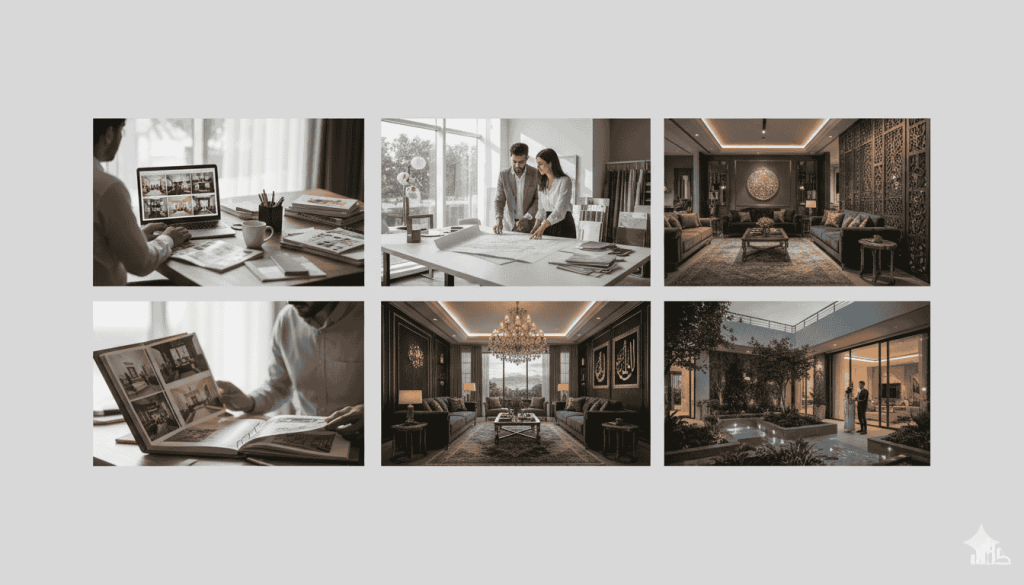 4) The future of interior design in Pakistan: where tradition meets innovation
As lifestyles evolve and urban living becomes more compact, interior design in Pakistan is moving toward smarter, more intentional spaces. The future of interior design standards in Pakistan will not be defined by aesthetics alone, but by how well spaces respond to changing social, environmental, and technological needs. Homes are no longer just places to live; they are workspaces, wellness zones, and social hubs, all layered into one environment.
One of the most significant shifts is the growing role of technology in luxury interior design Pakistan. Smart lighting systems, climate control, and automated shading are becoming integral parts of high-end interiors. These technologies are not used for novelty, but for comfort, energy efficiency, and control. When integrated thoughtfully, smart systems enhance the design rather than overpower it, allowing interiors to remain calm, elegant, and human-centered.
Another defining direction is sustainability-driven design. Interior design trends in Pakistan increasingly favor long-lasting materials, modular furniture, and layouts that reduce waste over time. Clients are showing greater awareness of lifecycle costs, maintenance, and environmental impact. This has encouraged designers to specify materials that age gracefully and require fewer replacements, aligning luxury with responsibility.
Cultural identity will also continue to play a strong role. Rather than copying international trends verbatim, Pakistani interiors are finding confidence in their own visual language. Elements like handcrafted woodwork, regional stone, traditional textiles, and locally inspired patterns are being reinterpreted in cleaner, more contemporary forms. This approach allows homes to feel modern while remaining deeply connected to place and heritage.
The role of the interior designer itself is also expanding. Beyond space planning and decoration, designers are expected to guide clients through budgeting, phasing, and long-term planning. Clear documentation, detailed drawings, and realistic material specifications are becoming essential parts of professional practice. This shift reinforces why strong interior design standards in Pakistan matter more than ever.
Ultimately, the future belongs to spaces that are thoughtful, flexible, and emotionally resonant. Whether it is a compact apartment or a large residence, successful interiors will be those that balance beauty with usability, heritage with innovation, and luxury with comfort. As interior design Pakistan continues to mature, it is this balance that will define truly timeless spaces.
Conclusion
Top interior design in Pakistan is not just about making spaces look beautiful it’s about creating environments that function well, honor culture, and embody a sense of refined living. By understanding interior design standards in Pakistan, staying attentive to interior design trends in Pakistan, and partnering with experts skilled in luxury interior design Pakistan, you can transform any space into something truly remarkable.