Introduction
Your home is more than four walls and a ceiling it is a reflection of who you are. Choosing the right interior design style is one of the most personal decisions you will ever make, and in 2026, the options have never been more exciting, more diverse, or more beautifully suited to real human life.
Whether you are renovating a family villa in Lahore, styling a compact apartment in Karachi, or refreshing a living room in Rawalpindi, this guide is your complete starting point. We have researched every major interior design style trending right now, distilled insights from top designers worldwide, and packaged it all into one easy-to-follow resource.
What you will learn: the defining traits of each style, which rooms they suit best, how to mix styles without clashing, and which 2026 trends deserve your attention.
Let us explore our design philosophy and what makes each aesthetic uniquely powerful. You can also visit our homepage to see how we bring these styles to life for clients across Pakistan.

What Are Interior Design Styles?
Interior design styles are cohesive visual and functional frameworks that guide how a space is decorated, furnished, and organized. Each style carries a distinct set of rules around color palettes, materials, furniture shapes, textures, and spatial arrangement.
Think of a design style as a design language. Just as every language has grammar and vocabulary, every interior style has a logic a visual grammar that makes a room feel intentional and unified rather than random or chaotic.
1.Japandi Interior Design Style
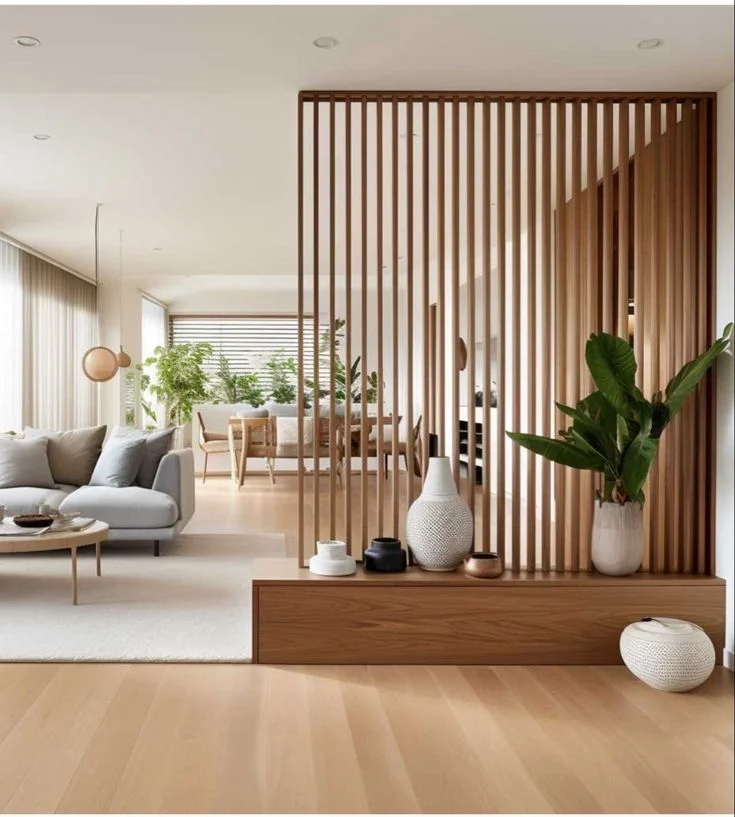
Japandi is the design world’s most talked-about fusion of the decade. It blends Japanese wabi-sabi philosophy the art of finding beauty in imperfection with Scandinavian hygge, the Danish concept of cozy, purposeful living.
Key Characteristics
⦁ Neutral palettes: warm whites, soft beiges, charcoal, and sage green
⦁ Natural materials: raw wood, linen, bamboo, stone, and rattan
⦁ Clutter-free spaces with only meaningful, handcrafted objects on display
⦁ Low-profile furniture with clean, organic silhouettes
⦁ Dim, warm lighting that creates calm and intimacy
Best Rooms for Japandi
Living rooms, bedrooms, and home offices benefit most from Japandi’s calming, distraction-free quality. It is ideal for Pakistan’s growing community of remote professionals who need a serene, focused home environment.
2026 Japandi Trend Update: Designers are now layering deep forest greens and terracotta accents into classic Japandi spaces for added warmth and personality.
Want to see Japandi in action? Explore our completed projects to see how we have applied this style for clients across Pakistan.
2. Biophilic Interior Design Style
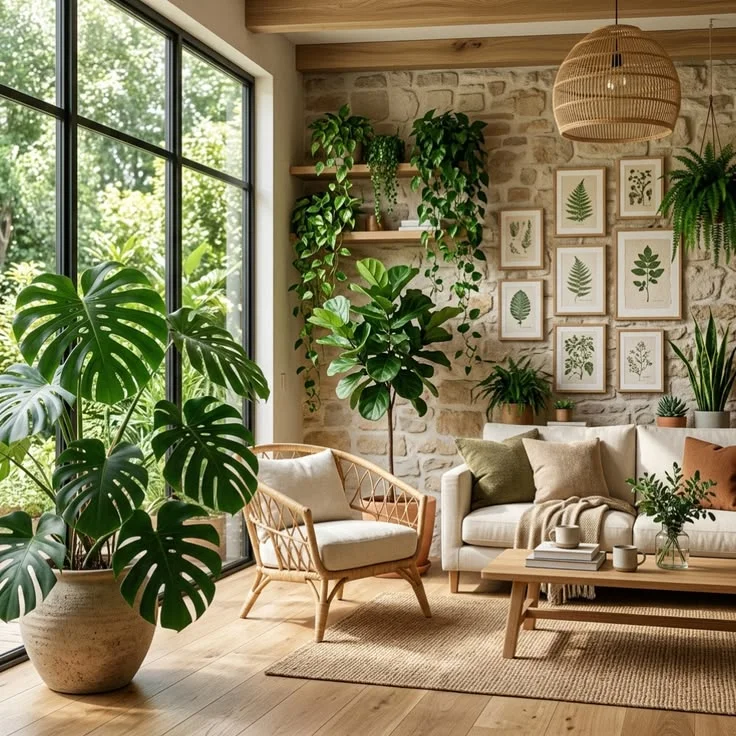
Biophilic design is one of the fastest-growing interior design styles of 2026, driven by a global shift toward wellness-focused living. The core idea is simple: human beings are hard-wired to connect with nature. When your home reflects the natural world, you feel calmer, healthier, and more alive.
Key Characteristics:
⦁ Indoor plants, living walls, and large potted trees as focal points
⦁ Natural light maximized through large windows and skylights
⦁ Organic textures: hand-troweled plaster, stone surfaces, reclaimed wood
⦁ Earth tones: terracotta, moss green, warm clay, sandy beige
⦁ Water features and nature-inspired artwork
Why Biophilic Design Is Perfect for 2026
After years of over-scheduled, screen-heavy lifestyles, homeowners worldwide including in Pakistan’s major cities are craving interiors that breathe. Biophilic design offers exactly that: a living, breathing home environment that reduces stress and improves mental wellbeing.
Pro Tip: You do not need a large budget to go biophilic. Start with a statement fiddle-leaf fig tree, switch your lighting to warm 2700K LED bulbs, and replace synthetic fabrics with natural cotton or jute rugs.
Get a free design consultation from our team to learn how to bring biophilic design into your home

3.Minimalist Interior Design Style
Minimalism is not about having nothing it is about having only what matters. This philosophy, born from Japanese aesthetic principles and modernized by mid-century European design, continues to be one of the most enduring interior design styles in the world.
Key Characteristics:
⦁ Less is more’ as the governing design principle
⦁ White, off-white, and monochromatic color schemes.
⦁ Multi-functional furniture with hidden storage
⦁ Clean architectural lines and unadorned surfaces
⦁ Every item in the room earns its place nothing is decorative for decoration’s sake
2026 Minimalism Update: Pure stark minimalism is softening. Designers now describe ‘warm minimalism’ as the evolution incorporating natural wood tones, textured plaster walls, and a single bold art piece to prevent the cold, sterile feel that older minimalist spaces could carry.

4.Maximalist Interior Design Style
Key Characteristics:
⦁ Layered colors, patterns, and textures working in harmony
⦁ Gallery walls, statement furniture, and curated collections on display
⦁ Rich jewel tones: emerald, sapphire, burgundy, mustard, and chocolate brown
⦁ Pattern-on-pattern combinations done intentionally and with confidence
⦁ Personal artifacts, art, and heirlooms given pride of place
If minimalism says ‘less is more,’ maximalism proudly declares ‘more is more.’ This is the interior design style for the bold, the expressive, and the unapologetically colorful. According to the 2026 1stDibs Designer Trends Survey covering 468 professionals worldwide, maximalism is now one of the top two leading design aesthetics globally.
How to Do Maximalism Without It Looking Chaotic
The secret to successful maximalism is a unifying thread. Choose one dominant color that appears in at least three different elements your rug, a cushion, and a piece of artwork, for example and build your layers around it.
2026 Trend Alert: Chocolate brown is the maximalist’s color of the year according to leading design surveys. It pairs beautifully with brass hardware, vintage textiles, and warm terracotta tiles.

5. Scandinavian (Hygge) Interior Design Style:
Scandinavian design is the original ‘cozy minimalism.’ Originating in Denmark, Sweden, and Norway, this style prioritizes function, warmth, and the simple joy of being at home. The Danish concept of hygge a feeling of coziness, togetherness, and contentment is at its heart.
Key Characteristics:
⦁ White walls with warm wood floors and furniture
⦁ Layered textiles: chunky knit throws, sheepskin rugs, linen cushions
⦁ Candles and soft, layered lighting as mood setters
⦁ Functional, uncluttered spaces with thoughtful storage solutions
⦁ Pops of muted color: dusty blue, blush pink, sage, and forest green

6. Industrial Interior Design Style
Industrial design draws inspiration from factories, warehouses, and urban lofts. It celebrates the raw, the unfinished, and the structural. Exposed brick walls, open ceiling pipes, concrete floors, and steel-frame furniture define this aesthetic
Key Characteristics::
⦁ Exposed structural elements: brick, concrete, and metal pipes
⦁ Dark, moody palette: charcoal, black, rust, and raw steel
⦁ Edison bulb lighting and pendant lamps with metal shades
⦁ Reclaimed wood paired with wrought iron or steel
⦁ Minimal softness the rawness is the beauty

7.Mid-Century Modern Interior Design Style
Mid-Century Modern (MCM) refers to the design movement that flourished between 1945 and 1969. It remains one of the most beloved interior design styles of all time timeless, elegant, and endlessly functional.
Key Characteristics:
⦁ Clean horizontal lines and flat planes without ornate detailing
⦁ Organic curves in furniture the Eames chair, the tulip table
⦁ Warm wood tones: teak, walnut, and rosewood
⦁ Bold accent colors: mustard yellow, avocado green, burnt orange on a neutral base
⦁ Integration of indoor and outdoor spaces through large glass walls or sliding doors

8.Bohemian (Boho) Interior Design Style
Bohemian design is the art of layered, collected beauty. It is the style for those who travel, who love handcrafted things, who want their home to tell the story of their life. Boho interiors feel like they evolved naturally over years because in the best examples, they did.
Key Characteristics:
⦁ Global-inspired textiles: Moroccan rugs, Indian block prints, Turkish kilims
⦁ Rich, warm color palette: terracotta, saffron, deep plum, burnt sienna
⦁ Macramé, woven wall hangings, and tapestries as art
⦁ An abundance of plants the more the better
⦁ Vintage, thrifted, and handmade furniture mixed freely

You can view our projects related to that designs styles
You can view our projects related to that designs styles
How to Choose the Right Interior Design Style for Your Home
With so many beautiful options, choosing can feel overwhelming. Here is a simple four-step framework our designers use with every new client:
Identify your lifestyle Do you entertain often? Do you need calm, focused spaces for work? Do you have children or pets?
Study your architecture A heritage villa in Lahore suits Traditional or Biophilic styles better than Industrial. A modern apartment in Karachi suits Japandi or Contemporary.
Choose a primary style Pick one dominant style as your foundation, then use secondary elements from one complementary style.
Set a realistic budget Some styles (Japandi, Minimalist) are more budget-friendly. Others (Maximalism, Traditional) require more investment in quality pieces.
Not sure where to start? Contact our interior designers for a free 30-minute consultation and we will help you find the style that fits your life, your space, and your budget.
Frequently Asked Questions (FAQs)
Q: What is the most popular interior design style in 2026? In 2026,
Japandi, Biophilic, and Warm Maximalism are the three most popular interior design styles globally. All three prioritize authenticity, natural materials, and personal expression over cold, trendy aesthetics.
Q: How many interior design styles are there?
There are over 30 recognized interior design styles, but the 12 most widely practiced are: Modern, Contemporary, Minimalist, Maximalist, Scandinavian, Japandi, Industrial, Mid-Century Modern, Bohemian, Traditional, Farmhouse, and Coastal.
Q: Can you mix interior design styles?
Yes mixing styles is not only allowed, it is encouraged. The key is choosing a dominant style (70% of the room’s visual language) and a secondary style (30%) that shares at least one material or color value with the primary.
Q: What interior design style works best for small homes?
Minimalist, Japandi, and Scandinavian styles are best for small homes because they emphasize smart storage, clean lines, and uncluttered surfaces that make spaces feel larger and more open.
Q: What interior design style is best for Pakistani homes in 2026? Biophilic design, Contemporary, and Traditional styles work exceptionally well in Pakistani homes. Biophilic brings natural beauty into warm climates. Contemporary suits modern apartments in Karachi and Islamabad. Traditional resonates with the heritage architecture common in Lahore and Rawalpindi.